Your nose reaches the bowl before your spoon does. That first breath tells you a great deal about the fish, the bones and the care that went into the pot. Smell is one of the most honest quality checks you have.
This guide answers a simple question: how should fish soup broth smell? It covers what a good broth smells like, which smells are warning signs, and why the smell depends on the fish long before the cooking starts. In short:
- A good broth smells clean, savoury and gently of the sea.
- Sharp, sour or stale smells usually point to the fish, not the recipe.
- Some smells come from shortcuts, not from bones.
How Should Fish Soup Broth Smell?
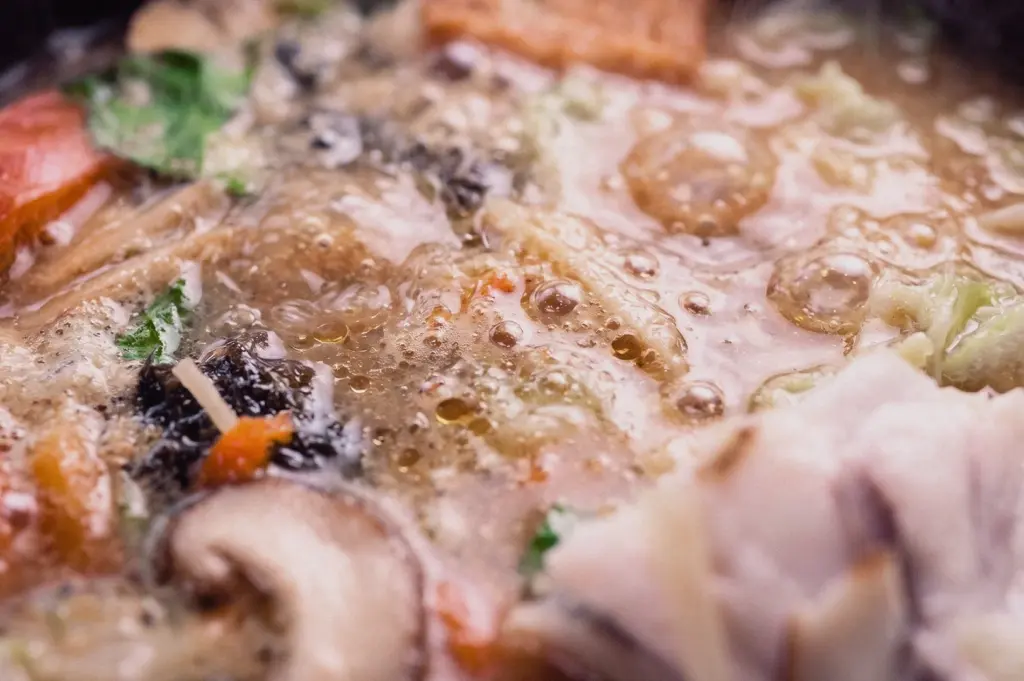
A well-made fish broth smells clean. You should pick up the sea first, then something rounder and savoury underneath. Nothing should catch at the back of your throat.
The sea note should be mild. Good fish smells briny and fresh, a little like a wet market early in the morning when the ice is still packed high. It should not smell "fishy" in the way people usually mean it. That heavy, lingering odour comes from fish that has started to break down.
Underneath, a good broth has a warm, meaty smell from bones and, in some styles, from chicken. Dried fish adds a deeper, slightly toasty note. These smells should blend together. No single one should push the others aside.
In short, a good broth smells like its ingredients, and those ingredients smell clean.
Warning Signs to Notice
A Sharp, Ammonia-like Smell
This is the clearest warning sign. It means the fish or bones were past their best before they went into the pot. Cooking does not fix it. Heat often makes it stronger.
A Sour or Stale Smell
A broth that smells sour may have been held too long or left to cool slowly. A stale smell can also come from old stock that has been reheated many times. Either way, the problem is handling.
A Heavy "Fishy" Smell that Lingers
Some fish naturally smell stronger than others. Even so, a broth should not leave a smell on your clothes or hang in the air long after the bowl is gone. If it does, the fish was likely not handled well.
A Dairy or Muddy Smell
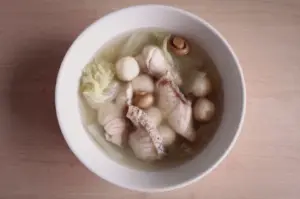
A broth whitened with evaporated milk can carry a faint, sweet dairy smell that does not belong to fish. A broth built on shells or siput can smell muddy or murky. These are shortcuts. They give colour without the body that bones provide.
Quick check: if a smell makes you hesitate, trust it.
What Our Broth Should Smell Like
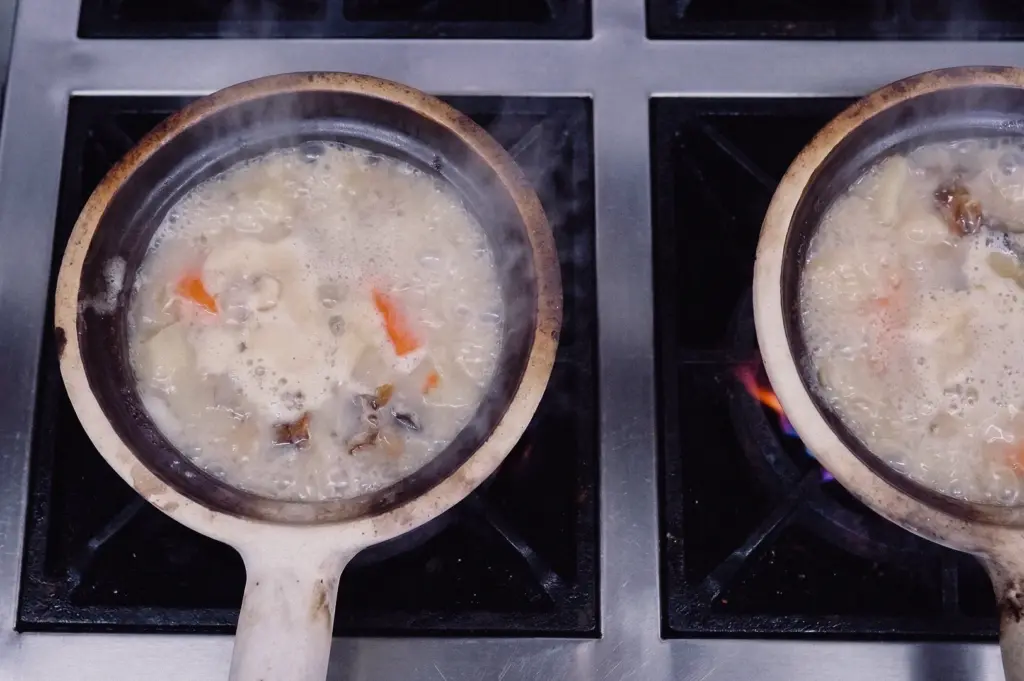
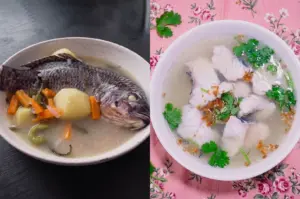
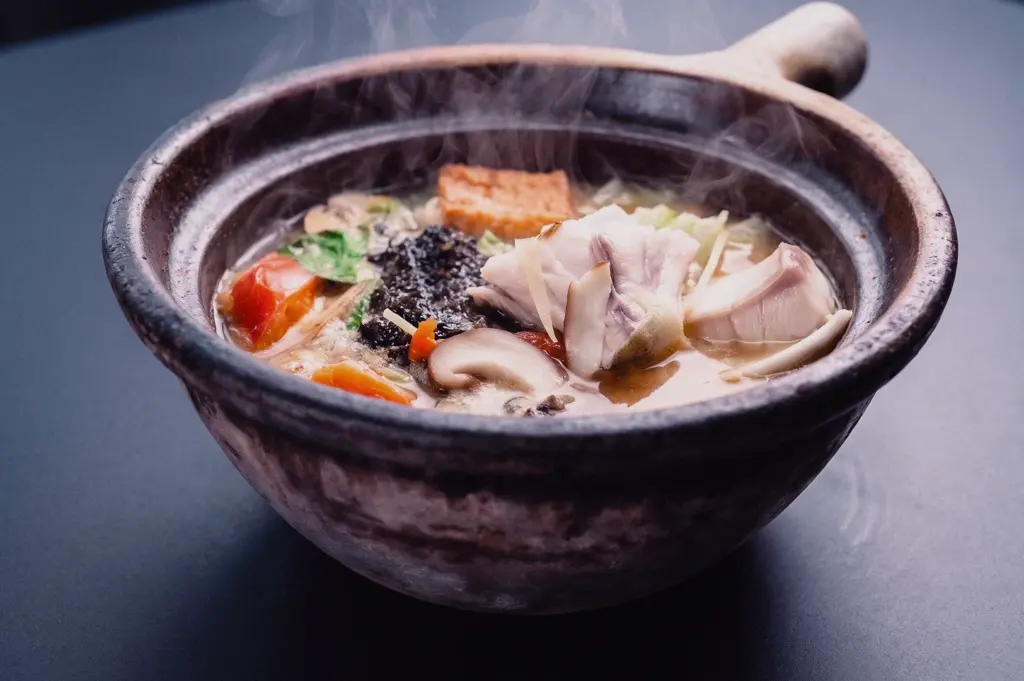
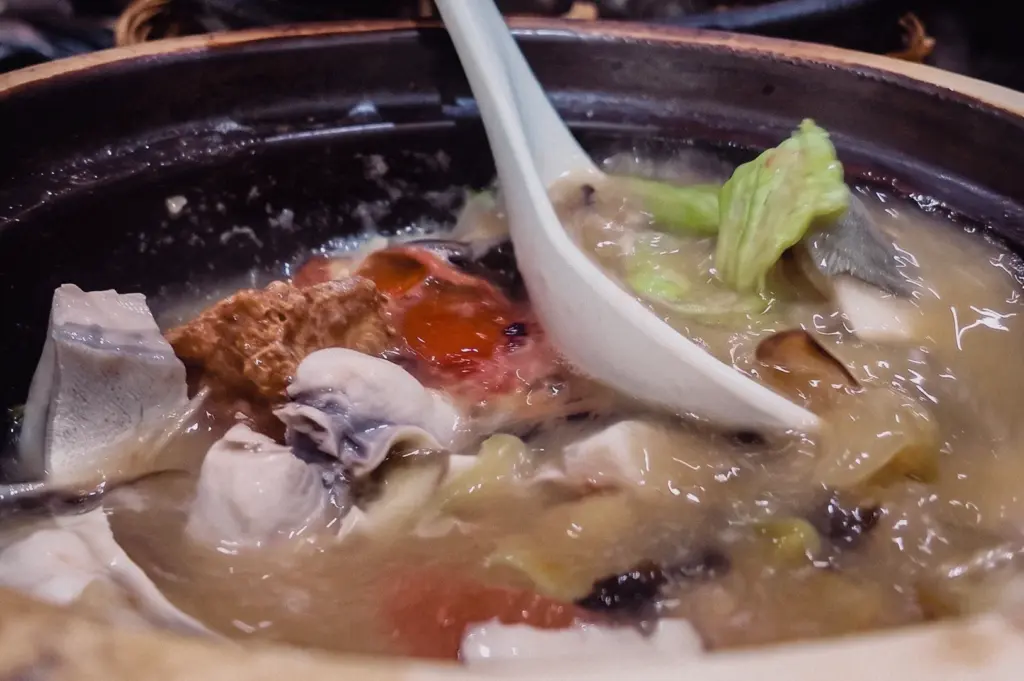
Our broth starts with batang bones, simmered with chicken and tee poh, the dried sole fillet. The bones and chicken give a warm, savoury base. The tee poh adds a deeper, toasty note from dried fish.
The collagen from the bones gives the broth its naturally milky ivory body. There is no evaporated milk and no shell or siput base. The soup is white because the bones give everything. So the smell is bone, fish and dried sole. Nothing else.
The broth takes roughly one hour. The founder's father made his soup without a fixed written recipe. Chef Kee Leng, who is also a partner, balanced and refined it into the version we serve today. He set the ratios, heat and timing so the kitchen makes the same bowl each service. A consistent broth should smell the same every time, too. You can learn more about the kitchen behind the menu on our homepage.
Grandpa's Pomfret Soup, named in honour of the founder's father, is finished with generous pomfret slices, sng buay (sour plum), kiam chye (salted mustard) and julienned ginger. The ginger adds a bright, clean edge to the smell. The pomfret stays at the centre of the bowl.
Clean smell and natural sweetness often go together, since both depend on good fish and bones. Read more on what makes fish soup sweet.
It Starts With the Fish
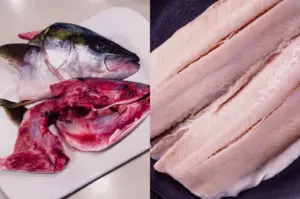
No cooking method can remove a bad smell from fish that was handled poorly. Smell is decided long before the stove.
The founder's grandfather worked at Hup Seng Huat market before dawn, then hawked fish at the foot of Fort Canning in the afternoons, a pole across his shoulders. The founder's father helped from boyhood and later became a stallholder at Mei Ling market. The trade grew through a small factory in Redhill into Hai Sia Seafood at Jurong Fishery Port, now run by the founder's brother.
Hai Sia Seafood supplies our kitchen today. Fewer hands sit between the fish and the bowl, which gives us more control over how it is handled. That is the core of Hup Lok's three-generation story. The restaurant is new. The family's knowledge of fish is not.
Key Takeaways
- A good broth smells clean, savoury and mildly of the sea.
- Ammonia, sour or stale smells point to poor handling.
- Dairy or muddy smells often mean shortcuts in the base.
- A consistent broth should smell the same each time.
- The smell starts with the fish.
Next time you are on Havelock Road, order Grandpa's Pomfret Soup. Before you taste it, lean in and breathe. Notice what you smell, and what you don't.